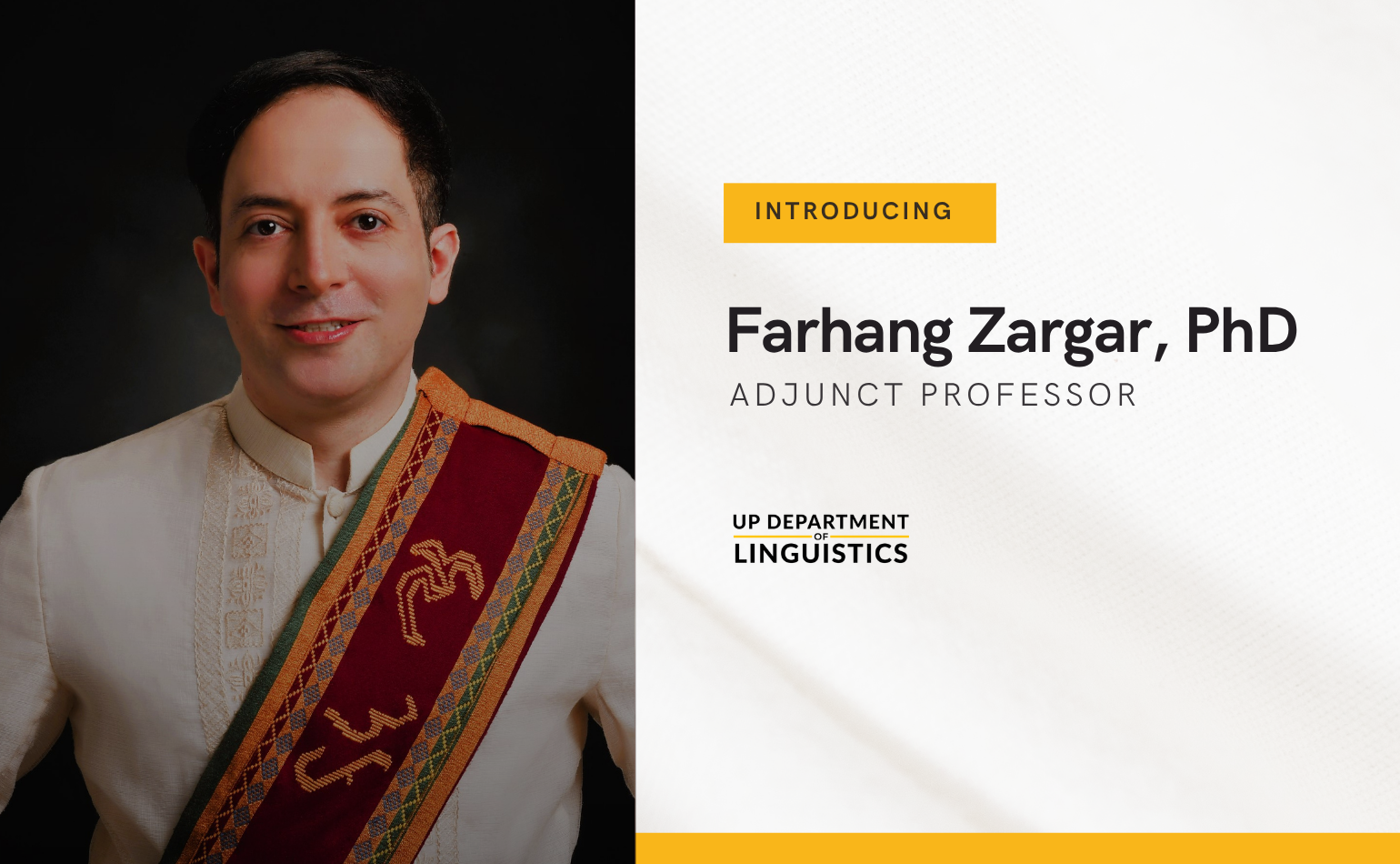
Adjunct Professor Farhang Hakimzadeh Zargar, PhD is the newest Persian language instructor at the UP Department of Linguistics, upon the recommendation of the Cultural Counsellorship of the Embassy of the Islamic Republic of Iran in the Philippines, under the Bilateral Research and Scientific Cooperation between our University and the universities in Iran. Read on to learn more about Dr. Zargar!
I. My Journey Across Borders — From Iran to the Philippines
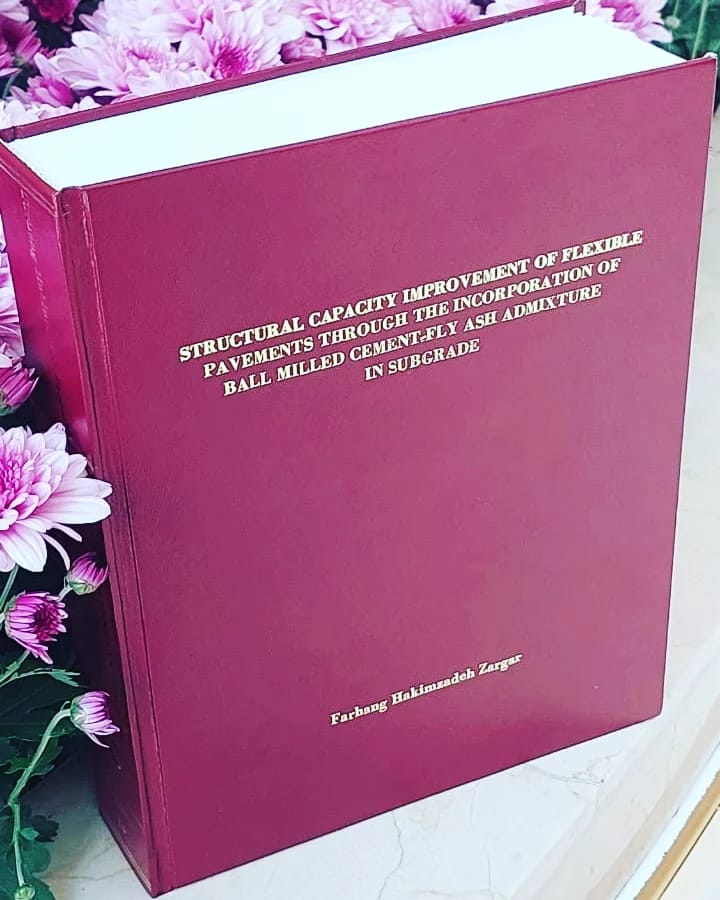
My academic journey began in Iran, where I completed my bachelor’s degree at the National University of Iran. My pursuit of knowledge eventually brought me to the Philippines, where I earned my master’s degree from the University of San Carlos, followed by a PhD in Civil Engineering from the University of the Philippines Diliman.
Alongside my academic journey, I have worked as a technical consultant in various fields of civil engineering. I have also had the privilege of attending seminars and international conferences in Iran, Thailand, Kazakhstan, and the Philippines, experiences that have allowed me to engage with people from different backgrounds and appreciate the value of international academic and cultural exchange.
Although much of my professional experience has been in engineering, my connection to the Persian language and culture has remained a deeply meaningful part of who I am.
II. What I Hope to Share Through Persian — A Language of Poetry, Wisdom & Culture
As a native Persian speaker, I have always believed that Persian is much more than a language— it is a gateway to one of the world’s richest literary and cultural traditions. What makes Persian especially fascinating to me is the way language, poetry, philosophy, history, and everyday wisdom come together.
The works of Rumi, Hafez, and Omar Khayyam have profoundly shaped my appreciation of the Persian language. Rumi invites us to explore love, spirituality, and the human journey. Hafez captures the beauty of love, life, and human experience with extraordinary elegance. And Omar Khayyam, through his celebrated quatrains, encourages us to reflect on the fleeting nature of life, the passage of time, and the importance of embracing the present moment.
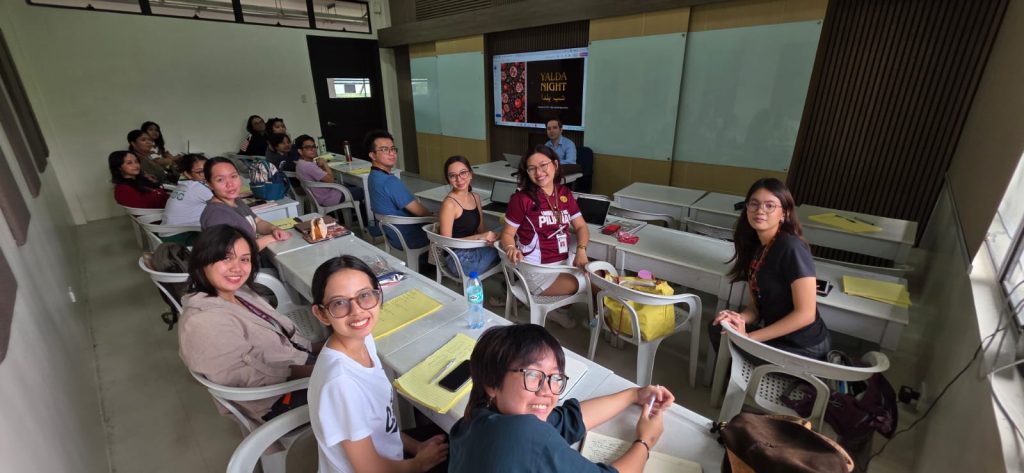
I hope to introduce my students not only to these great poets, but also to the ideas and worldview behind their words. Through poetry, proverbs, stories, and history, I want students to discover how Persian has preserved centuries of thought and wisdom—and how many of these themes continue to resonate with us today.
Most of all, I hope our classroom becomes a space where we can exchange ideas, discover common traditions, and build a deeper understanding between cultures. For me, teaching Persian is an opportunity not simply to teach a language, but to share a cultural heritage that continues to speak across generations and borders.
III. My Advice for Learning Persian — Let the Language Come Alive
If Persian feels unfamiliar or intimidating, I believe the best approach is to take it one step at a time. Practice every day, even if only for a few minutes. Consistency is more valuable than perfection, and every new word brings you one step closer to becoming comfortable with the language.
I also encourage students to go beyond the classroom and immerse themselves in Persian culture. Attend cultural events, watch Persian films, listen to Persian music, read books, and explore poetry. Discover the verses of Rumi, Hafez, Sadi, and Omar Khayyam, not simply as exercises in language, but as windows into Persian thought and culture.
When you begin to connect the words with stories, music, poetry, and people, the language becomes more than something you study—it becomes something you experience.
IV. Looking Ahead — Building a Sea, One Drop at a Time
I am excited to continue exploring the beauty of Persian poetry in my teaching and to contribute to the growth of Persian language education. My future plans include participating in international training opportunities for Persian language professors and strengthening academic and cultural collaborations with the Iran Cultural Center to promote Persian language and culture more widely.
There is a Persian proverb that beautifully captures this vision:
قطره قطره جمع گردد، وانگهی دریا شود
Qatre qatre jam gardad, vangahi daryā shavad.
“Drop by drop, it becomes a sea.”
I believe that meaningful connections, knowledge, and cultural understanding are built gradually—one student, one conversation, one poem, and one collaboration at a time. Through these efforts, I hope to contribute to a growing community of Persian language learners and educators, creating bridges between cultures that can continue to expand for generations.
V. Where I Find Inspiration — Chai, Saffron & Shared Moments
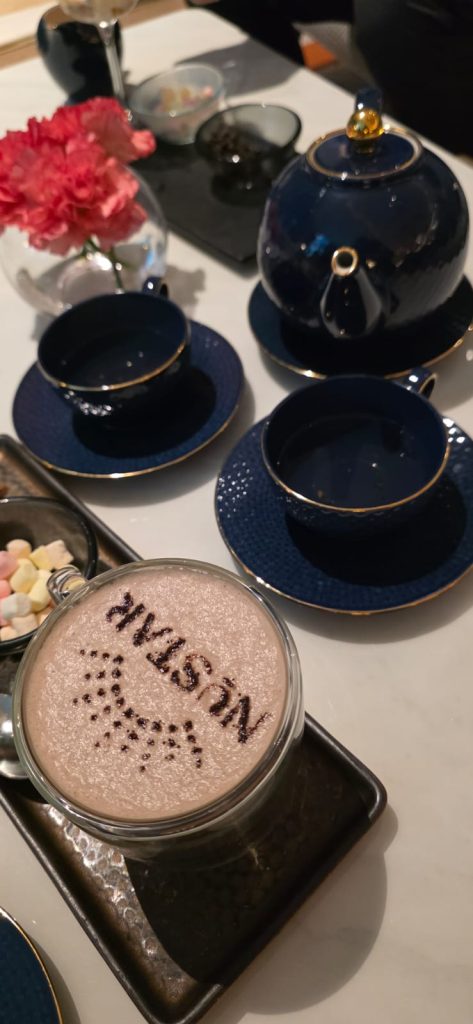
Outside the classroom, I find inspiration in life’s simple and meaningful moments. I enjoy playing the piano, reading Persian poetry, and, perhaps most of all, taking time to enjoy a warm cup of saffron tea with the people I care about.
Saffron tea has a special place in Persian culture. Its delicate aroma, golden color, and gentle warmth make it more than a drink—something to be savored slowly, often in the company of family, friends, and loved ones. For me, sharing chai and saffron tea is an invitation to pause, talk, listen, and simply enjoy each other’s presence.
There is something beautifully Persian about gathering around a cup of tea, with poetry nearby and good conversation flowing. These quiet moments remind me that culture is not only found in books and classrooms; it is also found in the traditions we share, the stories we tell, and the people with whom we share them.
It is this appreciation for language, poetry, music, culture, and human connection that I hope to bring into my teaching—and to share with my students as they begin their own journey into the Persian language and culture.

This article is part of the “Faculty Spotlight” series of the Department.
Published by Farhang Zargar, PhD